
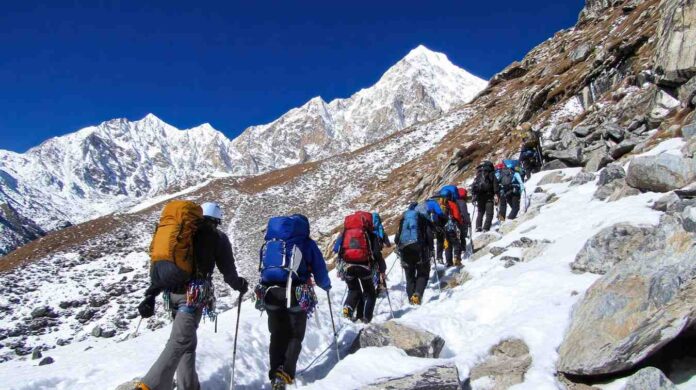


The air at 12,000 feet doesn’t just feel thinner; it feels purer. As you stand on a windswept ridge, watching the first light of dawn turn jagged granite peaks into molten gold, the stresses of deadlines and digital notifications simply evaporate. This isn’t just a vacation; it is a physical and mental recalibration. For those seeking this level of profound connection with nature, Himalayan treks represent the pinnacle of outdoor adventure, offering a rare blend of grueling physical challenge and unmatched spiritual serenity.
The Magnetic Pull of the Great Ranges
The Himalayas are not merely mountains; they are a geographic marvel that has shaped cultures, religions, and the spirits of adventurers for centuries. From the lush, emerald valleys of Himachal Pradesh to the stark, high-altitude deserts of Spiti and Ladakh, the variety of terrain is staggering. Every step upward takes you through a different ecological zone, moving from dense pine forests and roaring river crossings to alpine meadows dotted with rare wildflowers.
For the modern professional, these trails offer a “flow state” that is hard to find in a cubicle. The rhythmic crunch of boots on gravel and the necessity of focusing on each breath create a meditative experience. It is this unique ability to demand your total presence that makes these journeys so addictive for repeat trekkers.
The Anatomy of a Successful Expedition
A common misconception is that high-altitude hiking is reserved for the elite athlete. In reality, the success of a trek depends more on mental resilience and proper pacing than on raw strength. Strategic preparation is the cornerstone of a safe journey. This involves a mix of cardiovascular conditioning, strength training for the lower body, and, most importantly, a logistical plan that respects the mountain’s rules.
According to a report by Entrepreneur on the rising “Experience Economy,” more people are investing in transformative travel that builds character and leadership skills rather than traditional luxury leisure. This shift has led to a surge in demand for professionally managed Himalayan treks, where safety protocols and expert guidance allow participants to push their limits without compromising their well-being.
Why Expert Guidance Changes Everything
The wilderness is a beautiful but unforgiving teacher. Weather systems in the high mountains are notoriously fickle; a sunny morning can transform into a whiteout blizzard within thirty minutes. Navigating these variables requires more than just a GPS—it requires local knowledge and years of experience on the ground.
A professional expedition team brings several critical layers of value:
- Logistical Mastery: Managing tents, high-calorie nutrition, and portable oxygen supplies at high altitudes is a complex puzzle.
- Health Monitoring: Expert guides are trained to spot the subtle early signs of Acute Mountain Sickness (AMS), ensuring that trekkers descend or rest before a minor issue becomes a medical emergency.
- Cultural Context: Beyond the views, the Himalayas are home to resilient communities. A good guide acts as a bridge, allowing you to learn from the local mountain culture and traditions.
The Transformation: What You Bring Back
You don’t come back from a high-altitude pass the same person you were when you started. There is a specific kind of confidence earned through sweat and cold mornings. You learn that your body is capable of far more than you gave it credit for, and your mind learns the value of patience.
In an era where we are constantly bombarded by information, the simplicity of the trail is a luxury. On a trek, your goals are simple: reach the next camp, stay hydrated, and appreciate the view. This simplicity acts as a mental “factory reset,” often leading to breakthroughs in personal or professional creativity once you return to “civilization.”
Choosing Your Next Peak
Whether you are looking for your first Himalayan experience or you are a seasoned trekker looking for a new challenge, the options are endless. You might choose the famous trails of the Everest region, the hidden valleys of Uttarakhand, or the dramatic trans-Himalayan landscapes of Zanskar. Each region offers a unique flavor of adventure, but they all share the same majestic backdrop that only the highest mountains on Earth can provide.
Start Your Journey Today
The mountains have a way of waiting for the right moment, but the best time to start planning is always now. Preparation takes time, and the anticipation of the journey is half the fun. When you choose to step onto these ancient paths, you aren’t just taking a trip; you are joining a lineage of explorers who have looked toward the horizon and decided to see what lay beyond.
Trust in the expertise of seasoned professionals to handle the details, so you can focus on the climb. The peaks are standing tall, the trails are open, and a life-changing perspective is waiting just above the tree line.