
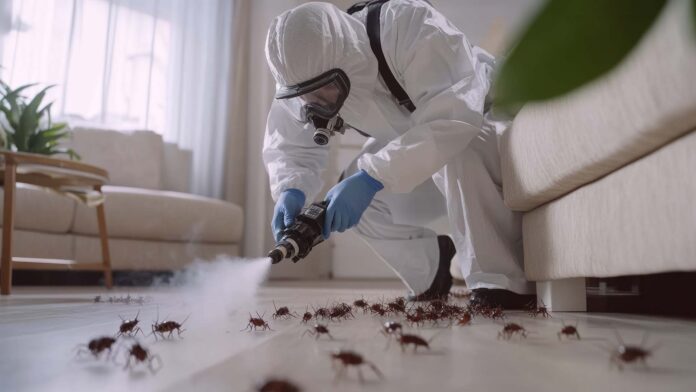


If you’ve lived through even one monsoon in Mumbai, you already know this: pests don’t knock before entering.
The first heavy rain hits. Drains overflow. Humidity rises. Within days, cockroaches appear in kitchens, termites surface near damp walls, mosquitoes multiply near stagnant water, and rodents begin seeking shelter indoors.
Monsoon doesn’t create pests. It accelerates them.
And in a city like Mumbai — where construction density is high and moisture retention is constant — monsoon pest management isn’t optional. It’s essential.
Why Monsoon Triggers Pest Explosions
To understand why pest activity spikes during monsoon, you need to understand how pests survive.
Most urban pests are moisture-driven.
- Cockroaches require damp, dark environments.
- Termites expand colonies when soil moisture increases.
- Rodents seek dry shelter when outdoor burrows flood.
- Mosquitoes breed rapidly in stagnant water.
- Ants relocate colonies when underground nests are disturbed by rain.
Monsoon conditions provide everything pests need:
- Warm temperatures
- High humidity
- Increased food exposure (waste accumulation)
- Structural water seepage
- Drain overflow
This is why pest control in Mumbai sees a seasonal spike during June to September.
The Hidden Infrastructure Problem
In high-rise apartments and housing societies, the risk multiplies.
Shared plumbing lines, drainage ducts, false ceilings, and basement parking areas create connected pathways. Once pests enter one unit, they can travel vertically and horizontally across multiple floors.
For example:
- Cockroach control services often uncover breeding zones deep within drainage systems.
- Rodent control services frequently identify entry gaps near utility shafts.
- Termite treatment in Mumbai often reveals soil-based colony access points beneath foundations.
Monsoon simply accelerates what was already structurally possible.
Why Reactive Treatment Fails During Monsoon
Many homeowners wait until they see pests.
That approach doesn’t work during monsoon.
By the time visible infestation occurs, breeding cycles are already underway. Cockroaches multiply rapidly. Termite colonies expand underground. Rodents relocate nesting zones inside buildings.
Emergency spraying may temporarily reduce visible pests, but without structural correction, infestation returns within weeks.
This is where preventive pest control services become critical.
What Preventive Monsoon Pest Planning Looks Like
Professional pest control services approach monsoon differently.
Instead of reacting to outbreaks, they prepare for them.
A proper monsoon pest management plan includes:
1. Pre-Monsoon Inspection
Before heavy rains begin, properties are inspected for:
- Wall cracks
- Basement moisture
- Drain blockages
- Soil contact with wooden structures
- Ventilation gaps
- Garbage accumulation points
2. Targeted Treatment
Rather than excessive spraying, eco friendly pest control strategies apply precise treatments to high-risk zones.
Gel baiting systems, perimeter barriers, and entry-point sealing reduce infestation potential.
3. Drainage & Moisture Advisory
Professional pest control in Mumbai often includes guidance on:
- Fixing leaks
- Clearing clogged drains
- Improving ventilation
- Reducing standing water
Because without moisture control, treatment effectiveness drops.
Termite Risk During Monsoon
Monsoon is peak termite season.
Moist soil allows subterranean colonies to expand and create new mud tunnels. Winged termites (alates) emerge during humid evenings to form new colonies.
If your property has never undergone pre construction termite treatment, monsoon becomes a high-risk period.
Early warning signs include:
- Mud lines along walls
- Soft or hollow wooden surfaces
- Discarded termite wings near windows
- Paint bubbling due to internal damage
Immediate termite treatment in Mumbai during early detection prevents structural weakening.
Rodents: The Overlooked Monsoon Threat
Flooded burrows push rodents toward dry shelter — often inside residential and commercial buildings.
Rodent control services during monsoon focus on:
- Sealing external gaps
- Monitoring bait stations
- Checking basement and parking zones
- Inspecting electrical panels
Rodents are not just a nuisance. They chew wires, damage insulation, and contaminate stored food.
For businesses, especially restaurants and warehouses, this creates compliance risk — making commercial pest control programs essential.
Bed Bugs and Indoor Spread
Interestingly, monsoon also increases bed bug cases.
Why?
Because during rainy months:
- Windows stay closed longer.
- Ventilation decreases.
- Travel increases.
- Laundry drying conditions worsen.
Bed bug treatment requires systematic inspection and repeat cycles. Spraying mattresses alone is ineffective.
Professional pest control services use structured monitoring and follow-up visits to break breeding cycles.
Housing Societies and Collective Responsibility
Monsoon pest control is not just an individual effort — it’s a community effort.
If one apartment ignores infestation, neighboring units remain vulnerable.
Many Mumbai housing societies now adopt collective home pest control schedules. Coordinated treatment across units significantly reduces reinfestation.
Society-wide eco friendly pest control programs minimize chemical exposure while protecting shared infrastructure.
The Financial Argument for Prevention
Monsoon-related pest damage can be expensive:
- Termite-damaged cabinetry replacement
- Rodent-chewed electrical rewiring
- Cockroach contamination in kitchen spaces
- Structural moisture repairs
Compared to emergency treatment costs, preventive pest control services are significantly more economical.
Quarterly scheduling ensures risk remains controlled year-round — not just during visible outbreaks.
Why Eco Friendly Pest Control Works Best During Monsoon
During rainy months, repeated chemical exposure can become overwhelming if reactive treatments are frequent.
Eco friendly pest control strategies reduce heavy chemical reliance while maintaining effectiveness.
Low-odor, targeted applications allow continued occupancy and minimize disruption — especially important for families and businesses operating during monsoon.
Final Thoughts
Monsoon in Mumbai is predictable.
Heavy rain will come. Humidity will rise. Moisture will accumulate.
The only unpredictable factor is whether your property is prepared.
Professional pest control in Mumbai is most effective when it is preventive — not reactive.
Structured inspection, targeted treatment, moisture management, and ongoing monitoring form the foundation of effective monsoon pest management.
Because in Mumbai, pests don’t wait for the rain to stop.
And neither should prevention.