
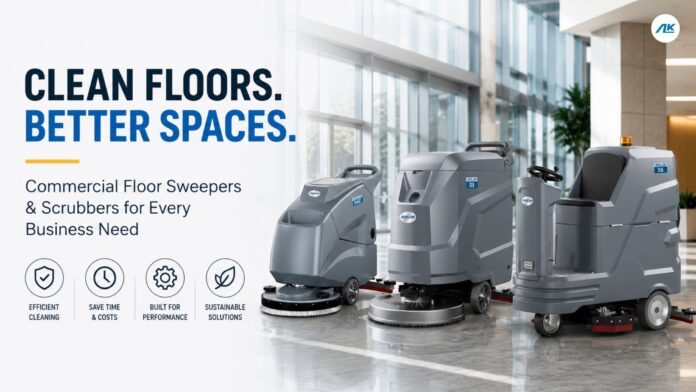


In the era of corporate social responsibility and tightening environmental regulations, the “green” initiatives of a warehouse or industrial facility are no longer optional. While many managers focus on solar panels or electric vehicle fleets, one of the most impactful changes can happen right at ground level. The transition from legacy cleaning methods to modern, engineered solutions is a major step toward sustainability.
Modern floor cleaning technology has evolved far beyond simple mechanical agitation. Today’s systems are designed with a “lean” philosophy—minimizing waste while maximizing output. By integrating advanced filtration, precision chemical dosing, and energy-efficient motors, these machines allow facilities to maintain high standards of hygiene without a heavy environmental footprint.
Here are the four primary eco-friendly benefits of adopting modern floor cleaning technology.
1. Significant Reduction in Water Consumption
Traditional mopping or early-generation scrubbers are notoriously inefficient with water. They often rely on high-volume output to move dirt, leading to massive water waste and the risk of runoff entering local drainage systems. In contrast, modern walk behind industrial floor scrubber units are engineered with advanced water flow controls.
These machines utilize precision pulse technology or “smart-flow” systems that adjust the amount of water released based on the speed of the machine and the level of soilage detected. This ensures that every drop is utilized effectively for agitation and suspension, rather than just flooding the floor. Many high-end models even feature on-board water recycling systems that filter and reuse the cleaning solution during a single shift, potentially reducing water consumption by up to 70%.
2. Elimination of Harsh Chemical Runoff
For decades, the standard for “clean” involved heavy degreasers and aggressive pH chemicals. While effective at cutting through grime, these substances pose a threat to local ecosystems when they wash away. Modern technology has paved the way for “chemical-free” cleaning, utilizing ionized water or high-frequency ultrasound to break down dirt at the molecular level.
When chemicals are necessary, a contemporary walk behind floor scrubber battery operated system typically includes an automatic dosing feature. Instead of a worker “guesstimating” the mixture in a bucket—which often leads to over-saturation—the machine injects the exact micro-dose required into the water stream. This precision prevents chemical buildup on the floor (which actually attracts more dirt) and ensures that the wastewater is significantly less toxic, making it safer for treatment and disposal.
3. Transition to Zero-Emission Power Sources
The shift away from internal combustion engines in warehouse maintenance is perhaps the most visible environmental win. Older sweepers often relied on propane or diesel, which emitted carbon monoxide and other particulates into the indoor air. This created a dual problem: environmental pollution and a health hazard for employees working in enclosed spaces.
The modern warehouse sweeper machine is almost exclusively powered by high-capacity lithium-ion or AGM batteries. These power sources produce zero emissions during operation, contributing to a “net-zero” indoor environment. Furthermore, lithium-ion technology is much more efficient to charge and lasts significantly longer than traditional lead-acid batteries, meaning fewer units end up in landfills over the decade. This transition supports both global decarbonization goals and the immediate respiratory health of your workforce.
4. Advanced Dust Capture and Air Quality Preservation
Sustainability isn’t just about what goes down the drain; it’s about what stays out of the air. Older sweeping methods often resulted in “fugitive dust”—fine particles that are kicked up into the atmosphere during the cleaning process. These particles can settle in HVAC systems, reducing their efficiency and forcing them to work harder (and consume more energy).
Modern Sweeper and Scrubber hybrid systems utilize multi-stage filtration, often including HEPA-rated filters that capture 99.97% of particles as small as 0.3 microns. By trapping these pollutants within the machine’s hopper rather than allowing them to circulate, facilities reduce the load on their air filtration systems. This creates a more energy-efficient building and a safer environment for staff, particularly those with respiratory sensitivities.
The Long-Term Impact of Green Cleaning
Adopting eco-friendly floor cleaning technology is a rare “win-win” in the industrial sector. The same features that protect the planet—such as reduced water use and precision chemical dosing—also drive down operational costs. When you use less water, your machines have longer runtimes between refills, increasing labor productivity. When you eliminate harsh chemicals, you extend the life of your floor’s sealant and reduce the wear on the machine’s internal seals.
Furthermore, a clean, green facility is often a requirement for various green building certifications. By documenting the use of low-emission, water-saving cleaning equipment, facility managers can contribute valuable points toward their sustainability goals.
Conclusion
The evolution of floor maintenance technology proves that industrial power does not have to come at the cost of the environment. By moving toward smarter, battery-powered, and water-conscious systems, warehouses can achieve a level of cleanliness that was previously impossible without heavy environmental trade-offs. If your facility is looking to modernize its operations, starting with an eco-friendly approach to floor care is a practical and highly effective place to begin.