
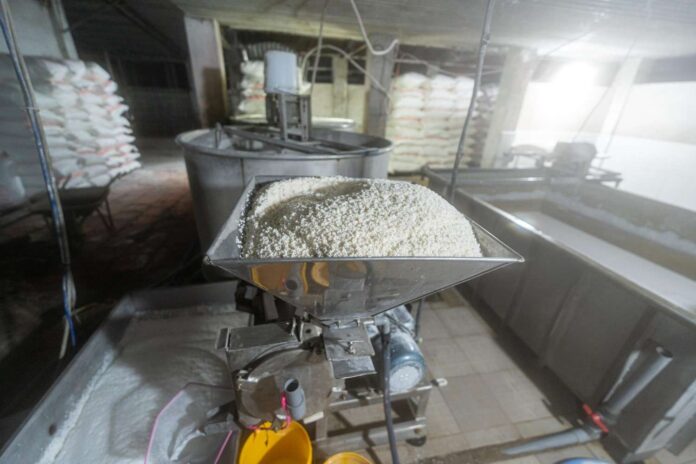


A single bottleneck in a powder processing line can paralyze an entire manufacturing plant, driving down daily production targets and eating into operational margins. For facilities handling heavy, high-volume bulk solids, the journey from raw material intake to the final packaged product is filled with logistical obstacles. If a factory relies on manual labor or outdated machinery to empty massive industrial bags, it introduces immediate safety hazards, product contamination risks, and costly material cross-contamination. To protect product integrity and maintain high processing speeds, modern chemical, pharmaceutical, and food plants must deploy an automated fibc unloader system at the very beginning of their raw material intake lines.
Transitioning to automated material handling allows processing plants to establish a clean, sealed environment that protects delicate powders from dust moisture and outside exposure. By integrating a dust-free discharging station with high-efficiency downstream processing machinery, operators can completely eliminate manual product handling. This unified system architecture accelerates production cycles, reduces workplace dusting, and ensures a continuous, metered flow of raw materials directly into secondary thermal processing loops without dangerous manufacturing interruptions.
The Costly Realities of Outdated Bulk Solid Discharging
When factory production targets rise, small errors in bulk bag handling turn into massive financial liabilities. In an unoptimized processing plant, manual bag slicing or basic mechanical cranes create uneven material flow, leaving workers vulnerable to toxic airborne particles and heavy lifting strains.
Operating without a highly secure, automated discharging framework introduces severe industrial bottlenecks:
- Expensive Product Waste and Spoilage: Poorly sealed discharge ports allow fine, expensive powders to leak into the factory air or stick inside bag corners, draining away operational profits.
- Frequent Production Downtime: When raw material bridges or clamps inside bulk container spouts, downstream operations stop completely while maintenance teams manually clear the blockages.
- Heavy Airborne Dust Accumulation: Uncontrolled powder leaks lower facility air quality, damage nearby machinery components, and complicate strict international environmental compliance.
The Technical Reality of Advanced Thermal Moisture Extraction
Once raw bulk solids safely exit the intake station, they frequently require precise moisture stabilization to prevent clumping during mixing. Instead of using static baking trays or traditional rotary drums that dry materials unevenly, high-throughput plants rely on fluidization technology to treat fine particles uniformly.
A high-performance vibrating fluid bed dryer handles this critical step by combining mechanical vibration with a continuous stream of conditioned air. The processing deck moves at a precise frequency, lifting individual powder grains into a suspended state where every particle surface contacts the heated air stream simultaneously. This fluid state prevents fine powders from sticking together, speeds up moisture extraction, and protects heat-sensitive compounds from localized burning or thermal damage.
Strategic Operational Value of Integrated Processing Systems
Upgrading your processing infrastructure to support automated material discharging and advanced drying completely transforms factory efficiency. Implementing custom-engineered powder handling equipment helps your organization unlock massive competitive advantages:
Absolute Prevention of Factory Dust Contamination
Standard bulk bag emptying techniques allow hazardous dust to escape into the factory air, creating slip hazards and respiratory issues. Automated unloading stations use pneumatic clamping rings and integrated vacuum dust collectors to trap all loose particles inside the process loop, keeping your facility clean and compliant.
Highly Uniform and Precise Moisture Control
Industrial materials must maintain exact moisture percentages to meet strict quality control parameters. Advanced fluidization drying software tracks moisture trends continuously, adjusting internal air speeds and deck vibration rates in real time to ensure every production lot achieves identical drying quality.
Significant Reduction in Factory Labor Requirements
Relying on manual forklift teams and hand-operated valves to feed materials blocks growth and creates processing errors. Automated production setups move bulk materials continuously from intake bags through thermal processing lines without human contact, freeing up your technicians to focus on high-level production control.
Key Technical Features of Premium Bulk Processing Equipment
When choosing heavy machinery to handle a high-volume powder processing line, standard off-the-shelf equipment cannot withstand continuous factory demands. High-performance industrial systems include essential technical features:
Pneumatic Bag Massage Systems
To keep stubborn or compressed powders moving smoothly, advanced unloading stations feature side-mounted massage paddles. These automated plates gently compress the bulk bag to break up hard material chunks, ensuring complete bag emptying without manual worker assistance.
Custom Perforated Distribution Decks
Heavy-duty drying systems use custom-machined metal decks designed specifically for your product’s unique grain size and weight. This specialized engineering prevents fine powders from falling through air holes while maximizing heat transfer throughout the fluid bed.
Fully Sealed Sanitary Product Paths
Global manufacturing requires absolute cleanliness to pass strict regular testing. Premium processing machinery uses continuous, polished stainless steel layouts and laser-welded seams, removing internal cracks where bacteria or leftover material can hide between batches.
Maintaining High Global Growth Through Automated Factory Scale
Upgrading your bulk raw material handling infrastructure does far more than lower daily manual clean-up costs; it acts as a primary catalyst for long-term company growth. Research shared in an authoritative Entrepreneur corporate operational infrastructure report reveals that automated material handling and data-driven thermal processing are the highest priorities for high-growth industrial firms focused on building resilient supply lines. Producing materials predictably and without contamination protects your manufacturing reputation, helping your brand earn the premium supplier status required to win major international production contracts.
An automated data-driven production line also protects your operations from unexpected shifts in raw material quality. When incoming material lots show higher moisture levels or different particle sizes due to supplier changes, intelligent machinery adjusts instantly, updating processing times and drying temperatures to keep your end product completely uniform.
Simple Steps to Modernize Your Powder Processing Infrastructure
Transitioning from fragmented material handling to an integrated, high-efficiency production line is a systematic process that integrates smoothly into your current plant layout:
- Analyze Current Material Intake Flow: Map out your bulk bag intake to locate powder leaks, production delays, or manual steps that slow down processing speed.
- Match Equipment Specs to Product Traits: Select customized discharge ports and specialized drying decks that match the flow traits and thermal limits of your raw powders.
- Unify Intake and Thermal Software Controls: Link your raw material unloading sensors directly with your downstream drying systems to create a responsive, single control loop.
- Run Continuous Flow Testing Loops: Execute small-scale testing runs to confirm that your material discharge speed matches your drying unit capacity perfectly.
Secure Your Competitive Advantage Through Intelligent Factory Scale
In a fast-paced industrial landscape, operational speed and data clarity are the ultimate differentiators. Spending valuable corporate hours on manual material handling and correcting unevenly dried product batches slows down organizational growth and leaves your pipeline vulnerable to automated, high-efficiency competitors. Upgrading to custom-engineered bulk material unloading and fluid bed processing equipment protects your manufacturing brand reputation, maximizes material yields, and gives your leadership team the freedom to focus entirely on scaling your global market presence.