
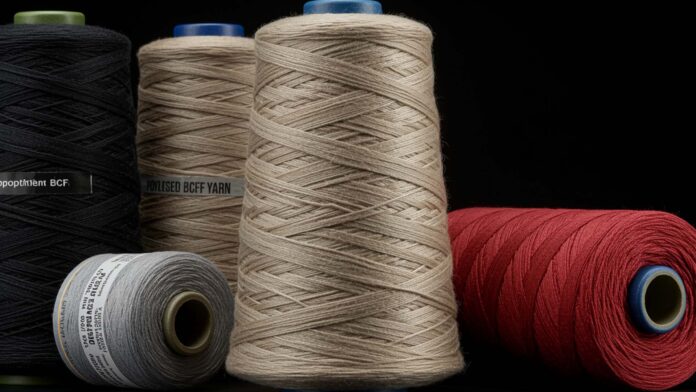


Run your hand across a premium carpet and you will feel density, balance, and comfort. Those qualities are engineered much earlier than most people realize. They begin when a manufacturer chooses the right BCF yarn manufacturer to support production.
While design and branding receive most of the attention, filament performance often determines whether a product succeeds or struggles in the market. Mills that upgrade yarn quality frequently report smoother operations and stronger dealer confidence.
Why the industry relies on BCF construction
Bulked Continuous Filament technology produces volume, resilience, and uniform texture. Because the strands remain continuous, carpets experience less fuzzing and maintain a clean finish over time.
From a manufacturing perspective, this stability helps maintain machine efficiency. From a customer perspective, it means longer lasting visual appeal.
A dependable yarn base reduces surprises across the entire supply chain.
Material choice shapes market position
Different buyers prioritize different outcomes, so selecting the correct polymer is critical.
Polyester BCF Yarn supports vibrant shades and a soft touch, making it attractive for residential and decorative collections.
polypropylene bcf is widely used where stain resistance and moisture tolerance are essential, particularly in functional environments.
Nylon BCF Yarn is preferred for its ability to recover after pressure, which is why high traffic projects often depend on it.
Suppliers with technical depth help align these characteristics with your pricing and brand goals.
Expertise turns supply into strategy
High quality extrusion and texturizing demand precision. Minor inconsistencies can create visible variation in pile height, color absorption, or wear behavior.
For this reason, many producers reassess partnerships and discover that moving toward a specialized polypropylene bcf source can quickly enhance reliability.
Once yarn variability decreases, teams spend less time on corrections and more time on development.
Insights regularly featured by Forbes highlight how strong supplier relationships contribute directly to competitive advantage. The flooring sector follows the same rule.
The downstream commercial impact
Better fiber leads to better performance. Better performance builds retailer trust. Trusted products generate repeat demand.
Installers notice smoother handling. Facility managers appreciate reduced maintenance. Consumers enjoy carpets that keep their look year after year.
These outcomes strengthen your reputation without additional marketing expense.
Smart evaluation before commitment
Procurement specialists typically review:
- Plant capability and expansion readiness
- Quality assurance methods
- Range of denier and color options
- On time dispatch history
- Availability of troubleshooting support
Confidence in these areas often predicts long term satisfaction.
Planning beyond the purchase order
Short term price advantages can disappear if materials vary from shipment to shipment. Production slowdowns and claims quickly offset initial savings.
A stable yarn partner allows accurate forecasting and supports growth into demanding markets.
Final reflection
Every carpet is a combination of design creativity and technical discipline. The yarn sits at the center of both.
Choosing a knowledgeable supplier creates consistency in manufacturing, credibility in distribution, and loyalty among customers. When filament decisions improve, business performance usually follows.