
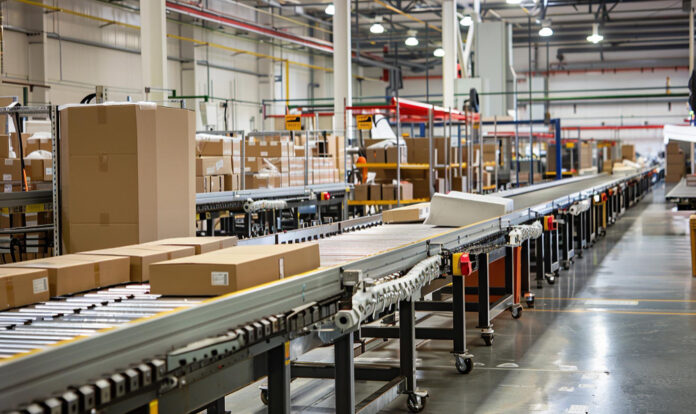


Moving goods between warehouses, trucks, and distribution areas can be a time-consuming task when operations rely heavily on manual handling. Businesses dealing with high shipment volumes need equipment that helps reduce loading delays, improve workflow, and make better use of available labour. A Telescopic conveyor can be a practical solution for simplifying material movement during loading and unloading operations.
Designed to extend into trucks or containers, telescopic conveyors help bring the conveyor belt closer to the goods being handled. This can reduce the distance workers need to cover while moving cartons, packages, and other materials, making daily logistics operations more organised.
What Is a Telescopic Conveyor?
A telescopic conveyor is a material handling system with an extendable conveyor section that can move forward and retract when required. Its adjustable length allows operators to access different positions inside vehicles or loading areas without constantly repositioning the entire conveyor system.
These conveyors are commonly used in logistics centres, courier facilities, warehouses, manufacturing units, distribution hubs, and shipping operations.
Depending on the application, telescopic conveyors may include powered belt movement, adjustable height, operator controls, emergency stop systems, and extension mechanisms. Their design can be selected according to the type of material handled, vehicle dimensions, and available working space.
How Telescopic Conveyors Improve Loading Operations
Traditional loading and unloading often require workers to repeatedly walk between the vehicle and the warehouse floor. This movement consumes time and can create unnecessary physical strain during busy shifts.
A telescopic conveyor changes the workflow by extending into the vehicle, allowing goods to travel along the conveyor rather than being carried over longer distances.
Some important operational advantages include:
- Reduced manual movement: Workers spend less time walking back and forth while handling packages.
- Improved loading speed: Continuous material movement can help streamline loading and unloading processes.
- Better space utilisation: The conveyor can extend when required and retract when the loading activity is completed.
- Organised workflow: Goods can move through a more structured process between warehouse teams and vehicles.
- Operational flexibility: Extendable sections can support different truck and container configurations, depending on the equipment design.
Applications Across Different Industries
Telescopic conveyor systems are useful wherever businesses regularly move packages or materials into and out of vehicles.
Logistics and courier centres: Parcel sorting and dispatch facilities often manage large volumes of shipments. Telescopic conveyors can support faster movement between sorting areas and delivery vehicles.
E-commerce warehouses: Online retailers handle orders of different sizes throughout the day. Conveyor systems can help streamline outbound dispatch operations during peak periods.
Manufacturing facilities: Finished products, cartons, and components can be transferred between production areas, storage locations, and transport vehicles.
Distribution centres: Businesses supplying retailers, wholesalers, and regional outlets can use extendable conveyors to improve truck loading arrangements.
The equipment should always be selected according to the weight, size, packaging, and movement requirements of the materials being handled.
Factors That Influence Telescopic Conveyor Price
Businesses evaluating a Telescopic conveyor should consider more than the initial purchase cost. The final price may vary based on equipment specifications, engineering requirements, and additional features.
Key factors include conveyor length, number of extendable sections, belt width, load capacity, drive system, height adjustment, control configuration, and construction materials.
Customisation requirements can also affect the cost. A system designed for a specific loading dock, vehicle size, or operating environment may require additional engineering and installation work.
Comparing quotations based on the same technical specifications is a better way to evaluate value than selecting equipment based on price alone.
Safety and Maintenance Considerations
Reliable operation depends on correct installation, operator training, and routine maintenance. Workers should understand the conveyor controls, emergency stop functions, safe loading limits, and procedures for handling jams or unexpected movement.
Regular inspections should cover belts, rollers, electrical components, drive mechanisms, moving sections, and safety controls. Maintenance schedules should follow the manufacturer’s recommendations and the actual working conditions of the facility.
Businesses can also review general workplace and operational management insights through Forbes, which publishes articles covering business, industry, technology, and productivity.
Choosing the Right Conveyor Supplier
Selecting a suitable supplier is an important part of planning a material handling project. Businesses should look for a manufacturer that understands their loading requirements and can recommend equipment based on operational needs.
Vivian Conveyors provides conveyor solutions for material handling applications. Businesses planning to improve loading and unloading efficiency can discuss their requirements, operating conditions, and equipment specifications before finalising a system.
A clear understanding of expected throughput, vehicle types, available space, and budget can help identify the most suitable conveyor configuration.
Make Loading and Unloading More Efficient
Efficient material handling plays an important role in warehouse productivity. Reducing unnecessary movement, improving workflow organisation, and choosing suitable equipment can help businesses manage daily dispatch operations more effectively.
A telescopic conveyor can support these goals by bringing material movement closer to the loading point and making better use of available working space. Businesses looking to upgrade their loading operations should evaluate their requirements carefully and explore a conveyor solution that offers the right balance of performance, safety, durability, and long-term value.