
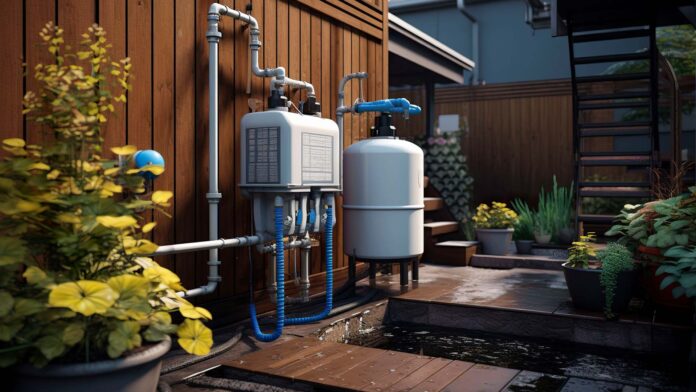


Hard water has become a common concern for homeowners and businesses across many regions. While people often notice surface-level problems like stains on taps or rough laundry, the actual damage caused by hard water goes much deeper. Mineral-rich water slowly affects plumbing systems, appliances, and overall operational efficiency.
To avoid these long-term problems, many property owners are now choosing advanced Water Conditioner systems that help improve water quality and protect valuable equipment.
Hard water contains minerals such as calcium and magnesium that leave scale deposits behind as water moves through pipes and appliances. Over time, this buildup reduces efficiency and increases maintenance expenses.
Hard Water Can Shorten Appliance Lifespan
One of the biggest problems caused by hard water is scale accumulation inside appliances. Water heaters, dishwashers, washing machines, and industrial equipment are constantly exposed to mineral-rich water, which gradually affects their performance.
As scale builds up, appliances consume more energy and work harder to deliver the same results. Heating systems become less efficient, water pressure decreases, and maintenance costs begin to rise.
According to Forbes, untreated hard water can significantly impact appliance efficiency and increase long-term repair costs.
Commercial establishments often face even larger challenges. Hotels, restaurants, hospitals, and manufacturing units depend heavily on efficient water systems. Equipment breakdowns and operational delays caused by hard water can lead to unnecessary financial losses.
Why Water Softeners Are Becoming More Popular
Consumers today are more aware of the importance of preventive maintenance. Instead of repeatedly repairing appliances affected by scaling, many people now prefer investing in long-term water treatment solutions.
A professionally installed Water Softener helps reduce mineral buildup while improving overall water performance. Softened water allows soaps and detergents to work more effectively, resulting in cleaner surfaces and lower detergent usage.
The benefits extend throughout the home. Softer water can help clothes maintain their texture, reduce stains on bathroom surfaces, and improve bathing comfort by minimizing mineral residue on skin and hair.
Businesses also benefit from improved water quality. Better-performing equipment, lower maintenance interruptions, and reduced utility expenses help commercial operations run more efficiently.
The Hidden Link Between Hard Water and Energy Costs
Many people do not realize that hard water can directly increase electricity bills. Scale deposits inside heating systems reduce heat transfer efficiency, forcing appliances to consume more energy.
Water heaters are among the most affected appliances. Even a small layer of mineral buildup can significantly reduce heating performance over time.
An efficient Hard Water Solution helps maintain appliance efficiency while reducing unnecessary energy consumption. This not only lowers electricity costs but also extends the lifespan of expensive systems.
Industries that use water-based machinery daily often experience noticeable operational savings after implementing professional water treatment systems.
What to Look for in a Hard Water Solution
Choosing the right system requires careful consideration of several factors, including water hardness levels, daily usage requirements, and maintenance expectations.
An ideal Hard Water Solution should provide:
- Effective scale prevention
- Better water flow and pressure
- Low maintenance operation
- Improved appliance efficiency
- Long-term cost savings
Modern systems are designed to deliver reliable performance while supporting sustainable water management practices. Many advanced technologies now focus on reducing water wastage and minimizing excessive servicing requirements.
This makes them suitable for both residential and commercial applications.
Better Water Quality Improves Everyday Comfort
Water quality affects daily life more than most people realize. Hard water often leaves behind soap residue on bathroom walls, dulls kitchen utensils, and makes fabrics feel rough after washing.
Using a Water Conditioner improves overall water usability across the property. Softer water supports better cleaning performance, cleaner surfaces, and more efficient appliance operation.
For businesses, improved water quality also enhances customer experience. Hotels can provide softer linens, restaurants can maintain cleaner kitchens, and healthcare facilities can improve hygiene standards with reduced maintenance effort.
Why Preventive Water Treatment Is a Smart Investment
Waiting until plumbing systems or appliances fail can become expensive. Preventive water treatment helps property owners avoid unnecessary repair costs while improving operational efficiency.
A dependable Water Softener protects appliances from scale buildup and supports long-term performance throughout the entire water system.
As more people focus on energy efficiency and sustainable living, investing in modern water treatment technology is becoming an increasingly practical decision.
Conclusion
Hard water problems may develop gradually, but the long-term effects can become costly if ignored. From increased energy bills and appliance damage to plumbing inefficiency and maintenance expenses, untreated water affects both homes and businesses in many ways.
Installing a reliable Water Conditioner is a smart way to improve water quality and protect valuable systems from long-term damage. A trusted Hard Water Solution helps reduce maintenance costs, improve efficiency, and create a cleaner, more comfortable environment.
For homeowners and businesses seeking better water performance and long-term savings, investing in the right Water Softener can deliver lasting value and dependable results.