


Anyone researching digital smile design kerala eventually runs into the same question: is this actually faster and more precise than traditional cosmetic dentistry, or is it clever marketing dressed in newer language? The honest answer depends almost entirely on how carefully the planning stage is handled.
Where the Process Actually Begins
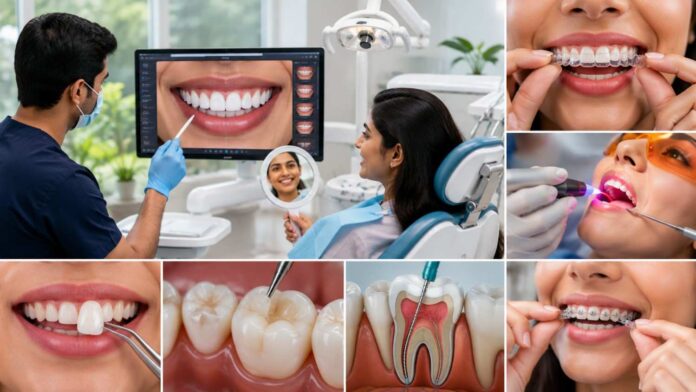
Digital Smile Design doesn’t start with a drill. It starts with photographs, facial scans, and a close look at how a patient’s lips, gums, and teeth interact when they smile naturally, not just when posing for a photo. That distinction matters more than people expect, since a static smile rarely reflects how teeth actually look during conversation or laughter. Once this analysis is complete, the dentist builds a digital mock-up showing the projected outcome before any permanent work begins, using digital smile design software to map the final result in advance.
Why the Planning Stage Deserves More Time
A rushed scan produces a rushed result, regardless of how advanced the equipment is. The real value comes from how much attention goes into reviewing the mock-up with the patient before finalising anything. Gold Dent Care treats this as its own dedicated appointment rather than a five-minute preview squeezed before treatment begins. That care upfront is why cases tend to move faster once treatment starts, with far less redoing or second-guessing midway through.
From Mock-Up to Finished Smile
Once a plan is approved, many complete smile makeover alappuzha cases move from digital mock-up to finished restoration within roughly seven days. That figure depends on how many teeth are involved and whether old fillings need replacing first. For straightforward cosmetic cases, though, a condensed weeklong schedule has become realistic rather than aspirational, which matters most for patients travelling from other cities specifically for treatment.
Why Interdisciplinary Planning Changes the Outcome
The software is only as good as the dentist interpreting it. A narrow cosmetic focus can miss underlying issues like a slightly uneven bite or early gum recession, problems that undermine results within a year or two. Dr. Angelin Julie, who leads treatment planning at Gold Dent Care, built her approach around this cross-disciplinary review, which is part of why the clinic’s 2024 Kerala Business Excellence Award recognised interdisciplinary smile designing specifically.
Who Benefits Most, and What to Ask First
Not every patient needs a full makeover. Digital Smile Design earns its value most clearly in complex cases involving multiple teeth or a mix of cosmetic and functional issues. For patients researching the best dentist in kerala for this kind of case, the deciding factor usually isn’t price but whether the clinic can show, concretely, what the finished result will look like before anything irreversible happens. Ask whether a digital mock-up is shown before the plan is finalised, and whether the timeline given is realistic for your specific case rather than a generic promise.
Frequently Asked Questions
How long does the digital scan and mock-up take?
The scan usually takes under an hour, though reviewing and adjusting the mock-up may involve a separate follow-up session depending on complexity.
Can this approach fix crooked teeth as well as discolouration?
Yes, minor alignment issues are often built into the same plan, sometimes alongside clear aligners for more noticeable corrections.
Is Digital Smile Design only for cosmetic cases?
No, it is frequently combined with restorative work such as ceramic fillings when both function and appearance need attention.
Conclusion
Digital Smile Design works best when planning is unhurried and treatment itself is fast. Gold Dent Care’s approach to smile transformation results reflects that balance, pairing careful digital planning with a realistic, condensed path to a finished smile.