
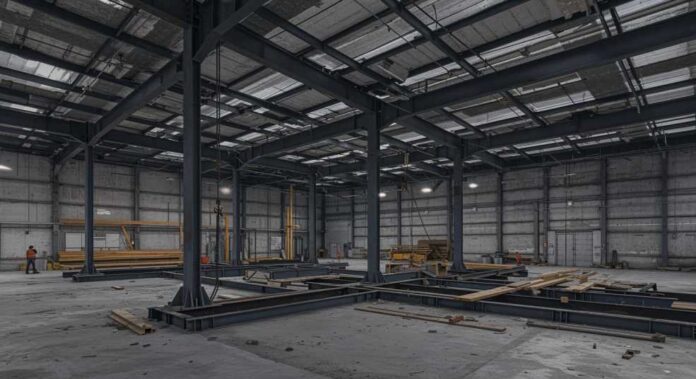


Imagine a construction project that is 80% complete. The steel beams arrive on-site, the cranes are ready, and the crew is waiting. Then, disaster strikes. The beams don’t fit. A misalignment of just a few millimeters in the design phase has cascaded into a logistical nightmare, halting the project and burning through the budget by the hour. This scenario is the stuff of nightmares for contractors and architects, yet it happens more often than we admit. The solution isn’t working harder; it is working smarter with precision-focused technologies like Steel Detailing, 3D architectural rendering, and BIM Services.
The Precision Revolution
Construction is no longer just about concrete and steel; it is about data. The margin for error in modern infrastructure is non-existent. Traditional 2D blueprints leave too much room for interpretation and human error.
This is where advanced Steel Detailing comes into play. It acts as the critical bridge between the architectural design and the fabrication floor. By creating detailed drawings that specify the exact dimensions, materials, and connection details for every single steel member, detailers ensure that what is built matches exactly what was designed. It transforms a conceptual sketch into a buildable reality, significantly reducing waste and rework.
Visualizing the Future Before It Is Built
Stakeholders—whether they are investors or future homeowners—often struggle to visualize a finished project from a flat set of plans. They need to “see” the building to believe in it.
High-quality 3d architectural rendering solves this communication gap. It creates photorealistic images of the proposed structure, allowing clients to walk through the space virtually before a single brick is laid. According to Forbes, the use of 3D visualization has revolutionized real estate and construction by speeding up decision-making processes and securing approvals faster. It aligns the client’s vision with the architect’s execution, minimizing “I didn’t think it would look like that” moments.
BIM: The Central Nervous System of Construction
While detailing handles the specifics and rendering handles the visuals, Building Information Modeling (BIM) manages the entire lifecycle of the project. BIM Services integrate every aspect of the build—structural, mechanical, electrical, and plumbing—into a single, intelligent model.
This collaborative approach allows for “clash detection.” For example, BIM can identify if an air conditioning duct is going to run right through a steel beam months before construction begins. Fixing this clash on a computer takes minutes and costs nothing. Fixing it on a construction site costs thousands of dollars and weeks of delay.
Why Outsourcing Makes Sense
Maintaining an in-house team for specialized tasks like Steel Detailing or high-end rendering is expensive. It requires specialized software licenses and continuous training.
Partnering with a dedicated engineering firm allows construction companies to access top-tier talent and technology on demand. You get the expertise of seasoned professionals who understand global standards (like AISC or BS) without the overhead.
Build with Confidence
In a competitive market, reputation is everything. Delivering a project on time and within budget is the only way to grow. By leveraging technologies like BIM Services and precision detailing, you aren’t just building structures; you are building trust.