
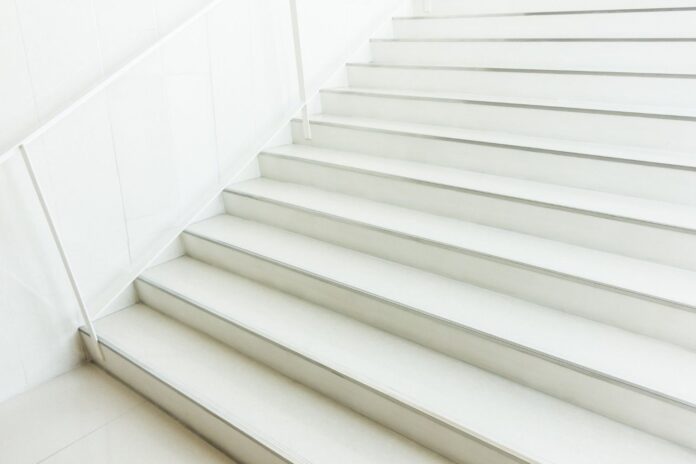


A staircase is not complete without a properly selected handrail. Beyond its decorative role, a handrail provides essential support and safety for every user. Choosing the right stair handrail ensures compliance with building codes, enhances the staircase’s overall aesthetic, and creates a cohesive look with treads and risers. For contractors, designers, and builders, understanding both functional and design considerations can make the difference between a staircase that is merely safe and one that elevates the interior space.
The Functional Importance of Handrails
Handrails serve a critical safety purpose. They guide users, prevent falls, and provide support for children, elderly family members, and anyone navigating stairs in a high-traffic environment. In commercial spaces, they are required by code to meet specific height, grip, and load standards. Selecting a sturdy, well-mounted handrail reduces liability concerns while giving homeowners or occupants confidence in daily use.
Durable hardwood handrails, when paired with quality stair treads, offer a long-lasting solution that can handle heavy foot traffic without showing wear or warping. The combination of strength and consistent finish ensures that the staircase remains safe and visually appealing over time.
Material and Finish Selection
Hardwood handrails are available in a variety of species, including oak, maple, and cherry, each offering distinct grain patterns, hardness, and coloration. White oak is particularly popular due to its strength, versatility, and compatibility with many stain options.
Prefinished handrails reduce the labor required on-site, providing a smooth, uniform finish that resists stains and dents. Job-site finishing may be preferred for custom colors or when matching specific flooring or trim, but it requires additional time, careful sanding, and multiple coats of finish.
When selecting a handrail, consider both durability and ease of maintenance. Finishes should withstand cleaning, regular use, and exposure to sunlight without discoloring or wearing unevenly.
Matching Handrails with Treads and Risers
A well-chosen handrail complements the treads and risers, creating a staircase that feels cohesive and balanced. Matching species and stain enhances uniformity, while subtle contrasts between treads and handrails can highlight architectural details.
Visual cohesion extends to adjacent trim, baseboards, and newel posts. Contractors should plan the handrail in tandem with the overall staircase package to avoid last-minute substitutions or mismatched tones. For open staircases, handrails also coordinate with balusters, ensuring a harmonious vertical line from floor to ceiling.
Design Styles and Profiles
Handrails come in a range of styles to suit different interior designs. Traditional staircases often feature rounded or beveled profiles with classic detailing. Contemporary homes may favor square or rectangular profiles with clean lines, while transitional designs combine elements of both for versatility.
Custom profiles allow designers to create signature pieces that complement the home’s architectural style. When considering the style, it’s important to also evaluate the staircase layout, the number of turns or landings, and how the handrail interacts with other elements like balusters and newel posts.
Installation Considerations
Accurate measurement is essential for a safe, visually pleasing installation. Handrail height, length, and the location of returns must comply with local codes and design requirements. Open-sided stairs require attention to return direction and attachment to balusters or posts, while enclosed stairs may allow simpler mounting options.
Coordination with preinstalled treads and risers is also crucial. Measuring the run and rise, accounting for any irregularities, and confirming alignment with balusters ensures a professional finish. Contractors should also plan for wall clearance, bracket placement, and consistent spacing along the entire staircase.
Conclusion
Selecting the right stair handrail combines both function and style. It provides essential support, enhances safety, and contributes to the staircase’s overall design statement. By considering material, finish, design style, and installation requirements, professionals can create a staircase that is both beautiful and durable. For high-quality hardwood handrails, treads, risers, and complete staircase solutions, flooring dealers, remodelers, builders, and designers can visit Wood Stair Co to explore prefinished and custom options that meet residential and commercial project needs.